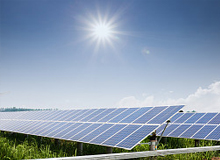
On December 29, the 100 MW Huataoqing photovoltaic project in Xundian County, Kunming, Yunnan Province—independently developed and constructed by Beijing Energy International—successfully achieved full-capacity grid connection and commenced power generation.
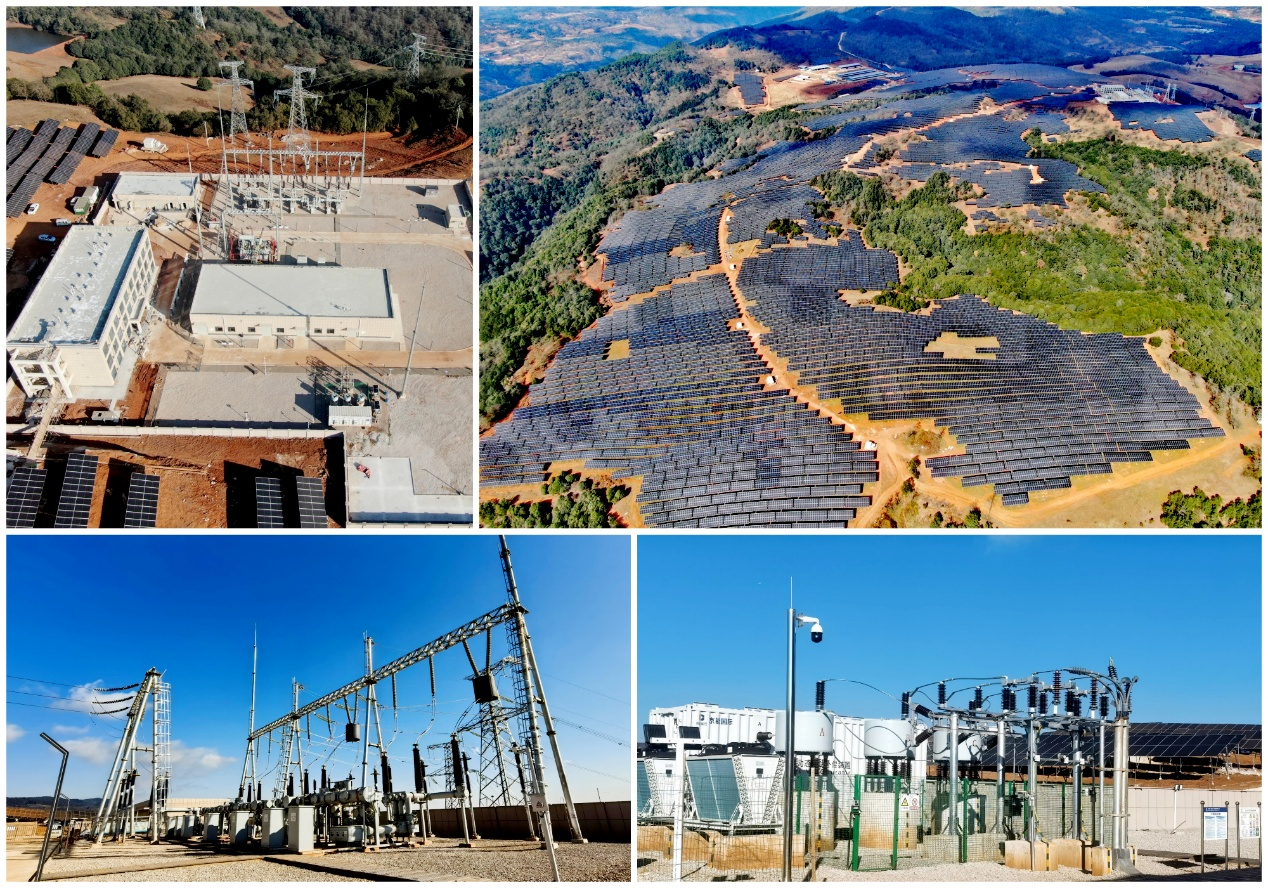
Located in Hekou Town, Xundian County, the project features an installed capacity of 100 MW, supported by a newly built 220 kV booster-collector station and a 28.032 km dedicated transmission line. The project innovatively adopts a “pastoral–solar complementary” model. By optimizing the mounting height and spacing of the PV modules, it achieves a multi-dimensional land-use pattern, allowing for high-efficiency power generation on the upper tier and ecological grazing on the lower tier. Notably, the project’s 220 kV infrastructure will also facilitate the power evacuation for surrounding PV and wind projects with a total capacity of 653 MW. This significantly enhances regional power pooling and transmission efficiency, effectively addressing the surging electricity demand in the area.
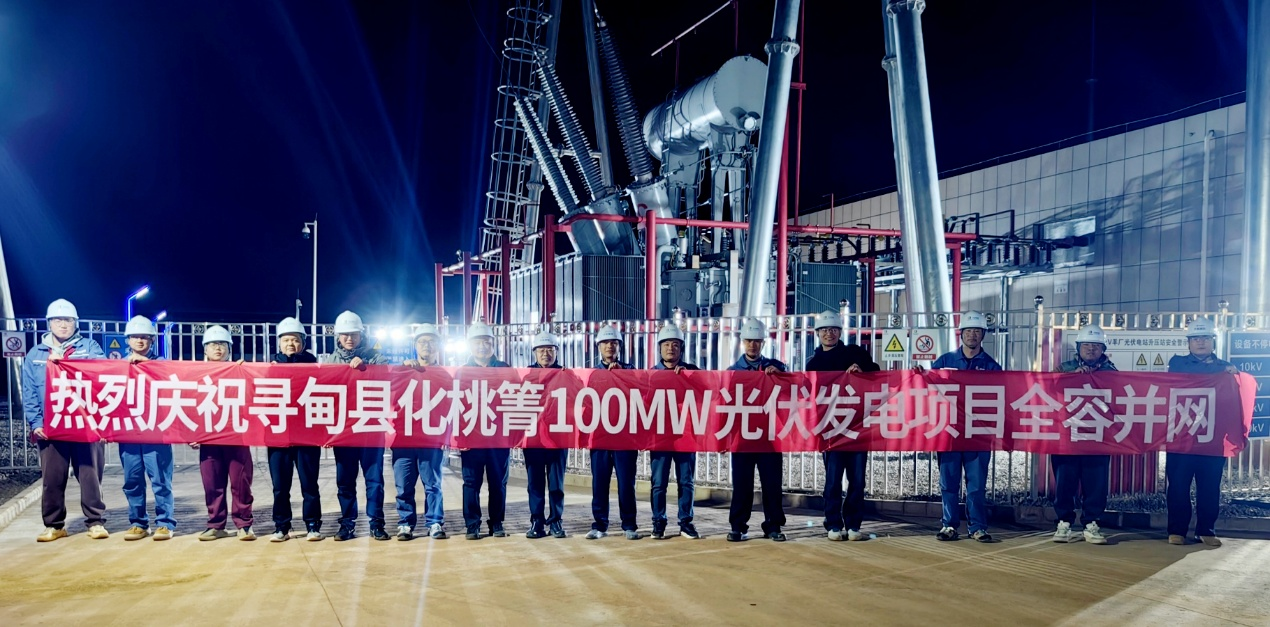
During construction, the team navigated complex challenges, including highly fragmented terrain, the crossing of expressways and State Grid backbone circuits, and Yunnan’s prolonged rainy season. Through refined construction management and robust inter-departmental synergy, the project was delivered with high efficiency. From a market perspective, the project stood out in Yunnan’s regulated-price bidding (Mechanism Price), successfully securing a tariff of RMB 0.33/kWh with a 75% volume cap. This result—substantially higher than the current average spot market settlement price in Yunnan—lays a robust financial foundation for stable long-term operation and return maximization throughout its life cycle.
Once operational, the project is expected to generate approximately 166 million kWh of green electricity annually, equivalent to saving 88,000 tons of standard coal and offsetting 213,000 tons of CO2 emissions. This project represents a major step in scaling up local green industries and provides strong momentum for regional economic growth and low-carbon development.