
Unwavering Confidence, Synergetic Momentum, and Visionary Strategy: Charting a New Chapter of High-Quality Development
On December 31, the 2026 Strategic Planning Session of Beijing Energy International was held in Beijing. The meeting was attended by Zhang Ping, Executive Director and President of the company; Liu Guoxi, Party Secretary; Zhu Jun, Executive President; Vice Presidents Liu Dongsheng, Huang Hui, Jia Geng, Wang Liuhu, Wu Chaoke, and Jin Xin; as well as Zhu Shengbo, Secretary of the Commission for Discipline Inspection. The company’s entire leadership tier—comprising senior directors, department heads, and executive teams from all branches and subsidiaries—was also in attendance.
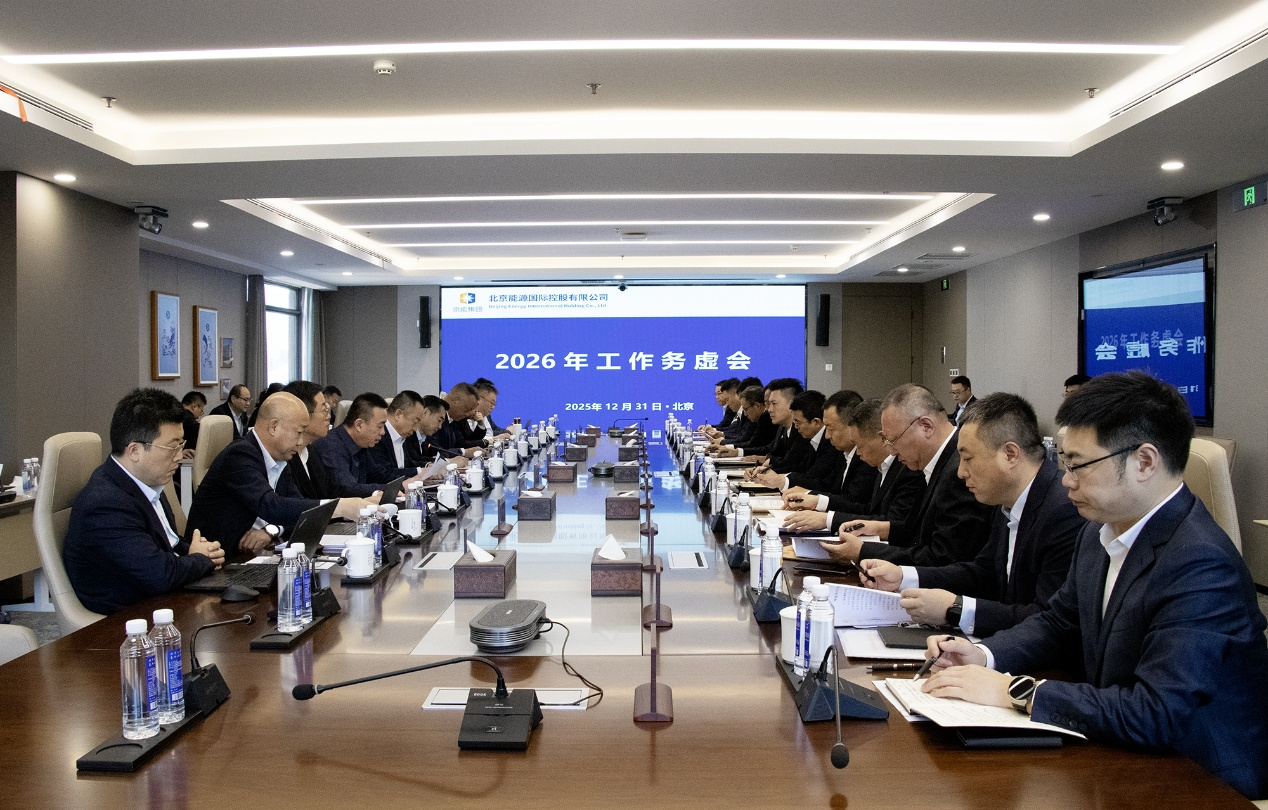
The session meticulously reviewed the development experience during the “14th Five-Year Plan” period, conducted a profound analysis of the current situation and existing bottlenecks, and mapped out the overall strategy for the “15th Five-Year Plan,” along with strategic thinking and key focus tasks for 2026. Grounded in the company’s strategic positioning and their respective responsibilities, participants focused on key priorities, focal issues, difficulties and bottlenecks of the company’s development. They shared insights and suggestions and formulated concrete measures.
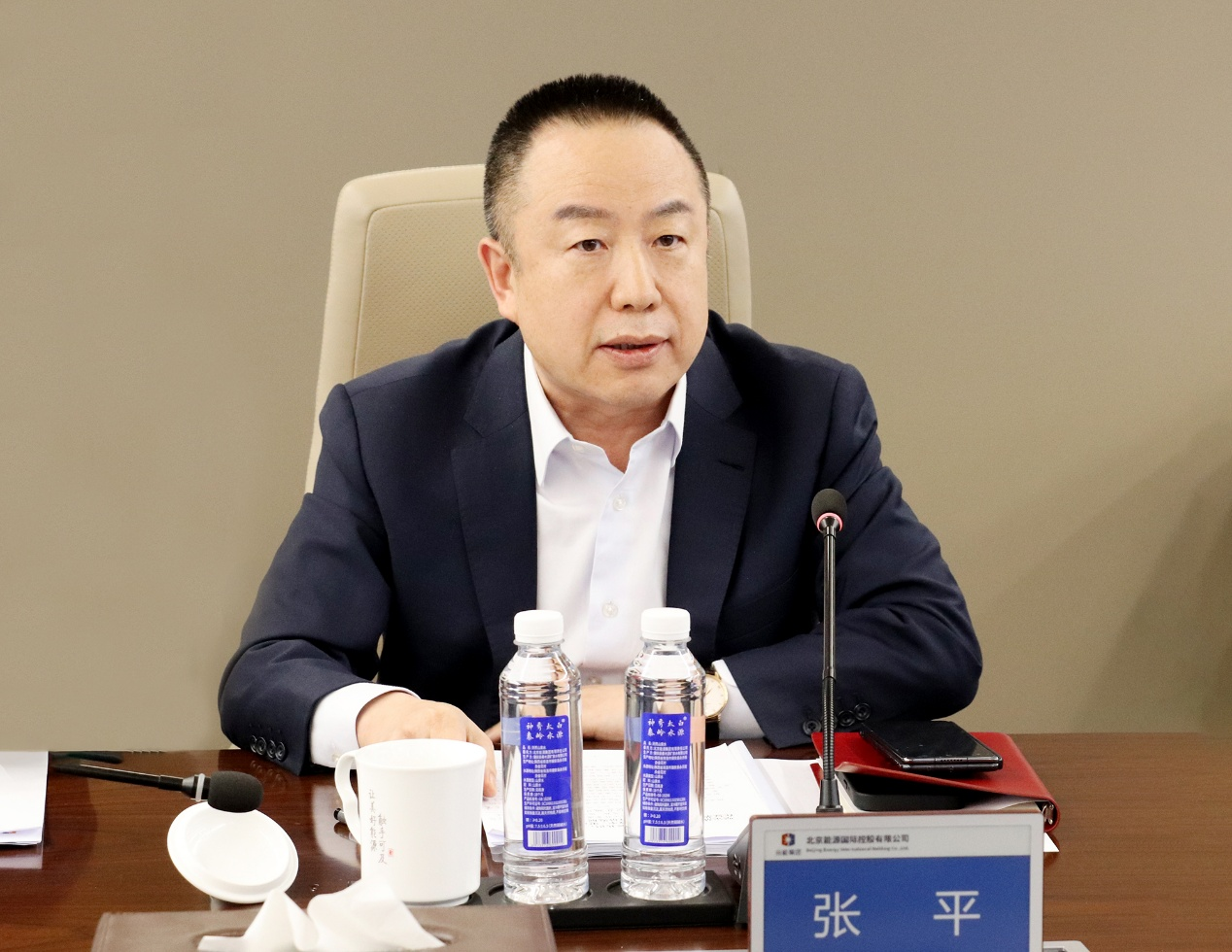
After listening to the work reports, and strategic suggestions from all departments, branches, and subsidiaries, Zhang Ping fully affirmed the outcomes and effectiveness of the session. He pointed out that the company has not only met but mastered every milestone set forth in the “14th Five-Year Plan”. The company achieved a turnaround to profitability in its first year post-restructuring, with cumulative profits reaching RMB 4.309 billion from 2020 to 2025. Total assets grew from RMB 25.405 billion to RMB 107.381 billion, while installed capacity expanded from 1.8954 GW to over 15 GW. The company also secured large-scale energy base projects like “Jilin-to-Beijing Power Transmission Project” and “Inner Mongolia-to-Beijing Power Transmission Project”, making significant contributions to BEH’s clean energy installed capacity targets during the “14th Five-Year Plan”. Looking forward, the company has become a core link in the realization of BEH’s “8755” strategic objectives for the “15th Five-Year Plan” period.
Looking to the “15th Five-Year Plan”, our target is clear: 25 GW of managed capacity. We will anchor our growth in the capital’s green energy needs, driving operational efficiency to ensure our expansion is both sustainable and superior in quality.
In light of the core tasks ahead for the “15th Five-Year Plan” period and 2026, he underscored:
First, we must deepen our strategic transformation to foster a new pattern of high-quality development. Centered on serving the capital, we will advance “a pivot from heavy-asset management towards a dual-track model of light and heavy assets” and “a pivot from traditional linear-functional structures towards multi-dimensional and adaptive management models” to achieve a total management paradigm shift. Furthermore, we must focus on value creation from incremental projects and quality-efficiency enhancements of existing assets, thereby effectively strengthening our overall operational capabilities.
Second, we must solidify our management foundation to continuously enhance operational efficiency. We will leverage AI-empowerment to refine the management of workplace safety and production. Great importance must be attached to power trading, with in-depth research into various trading methods to comprehensively improve our trading capabilities. Guided by the principle of “revenue with profit and profit with cash flow”, we will continuously optimize existing assets to boost their value-creation potential. Furthermore, we will strengthen the promotion of our core values, integrating corporate culture into every aspect of strategic implementation and daily operations, ensuring it is truly “embedded in our thoughts and manifested in our deeds”.
Third, we must persist in addressing both symptoms and root causes to accelerate the identification and mitigation of risks and hazards. We should remain prudent in developing highly volatile and high-risk markets, establishing robust risk early-warning and emergency response mechanisms. For large-scale investment projects such as the “Jilin-to-Beijing Power Transmission Project” and “Inner Mongolia-to-Beijing Power Transmission Project”, audit and discipline inspection functions must intervene early to achieve full-process supervision. Furthermore, we must deepen the closed-loop remediation of hazards in existing projects and ensure the rectification of issues identified through various inspections and audits to optimize the quality of underlying assets. Finally, we must consolidate supervisory responsibilities to enhance efficiency, promoting the synergy of various oversight functions to effectively improve comprehensive supervisory effectiveness.
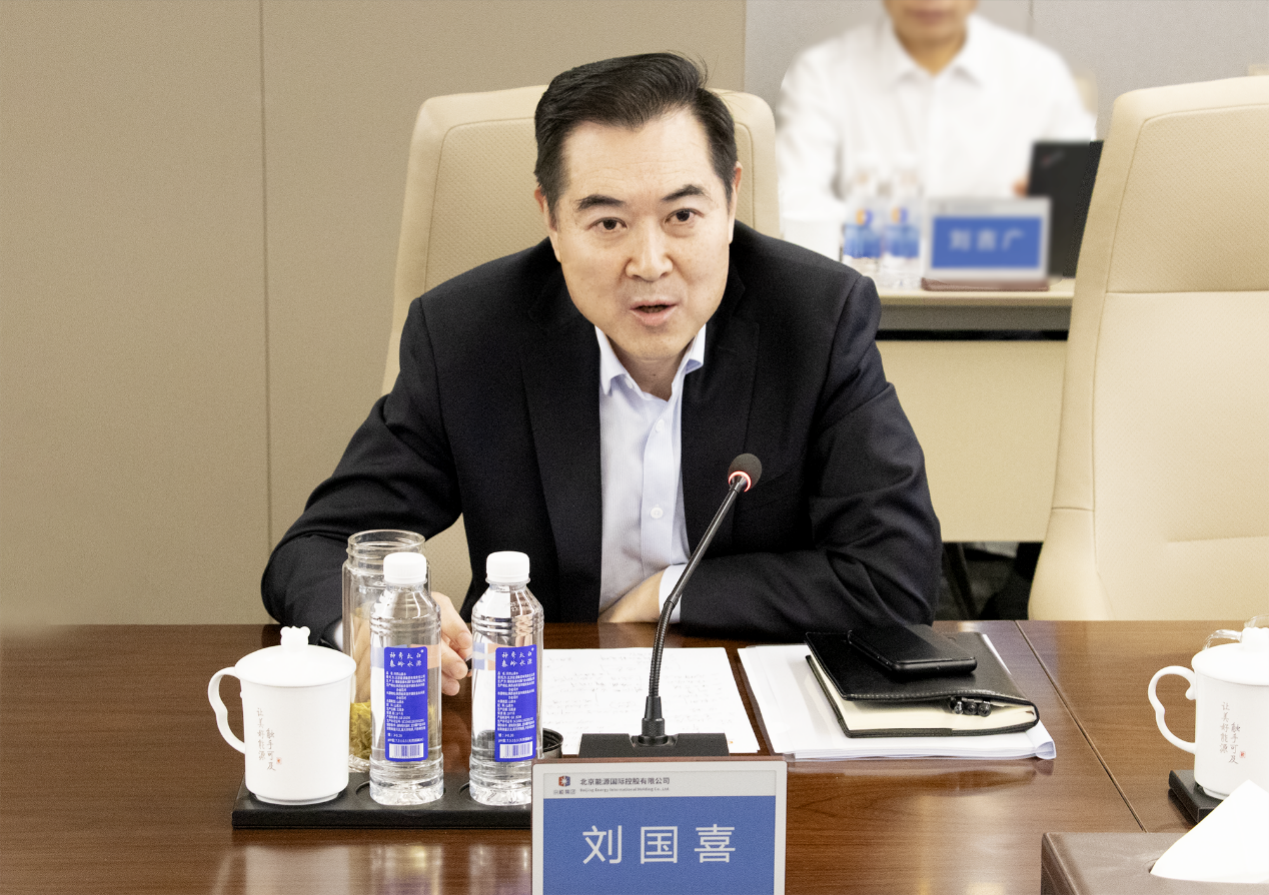
Aligning with the company’s strategic mission and positioning, Liu Guoxi exchanged insights on the evolving landscape of new situations, new tasks and new requirements. He outlined the following four requirements:
First, we must further solidify our Party-building efforts. It is imperative to thoroughly implement BEH’s Party-building requirements, driving the deep integration of Party governance with business operations to consistently strengthen the foundation for high-quality development.
Second, we must further bolster our strategic confidence. It is essential to systematically review the company’s achievements during the “14th Five-Year Plan” period, particularly the development concepts of the “Jilin-to-Beijing Power Transmission Project” and “Inner Mongolia-to-Beijing Power Transmission Project”, as well as our spirit of taking the initiative to overcome difficulties. We must address the challenges of the “15th Five-Year Plan” period with high morale.
Third, we must further enhance our operational awareness. Improving the company’s operational capabilities must be a top priority. In the face of the broader economic downturn, we must hone our operational excellence and continuously refine our management of existing assets.
Fourth, we must further strengthen risk prevention. We should reinforce “bottom-line thinking”, refine risk control mechanisms, and enhance cross-departmental synergy. By effectively mitigating potential hazards, we will ensure the stable and healthy development of the enterprise.
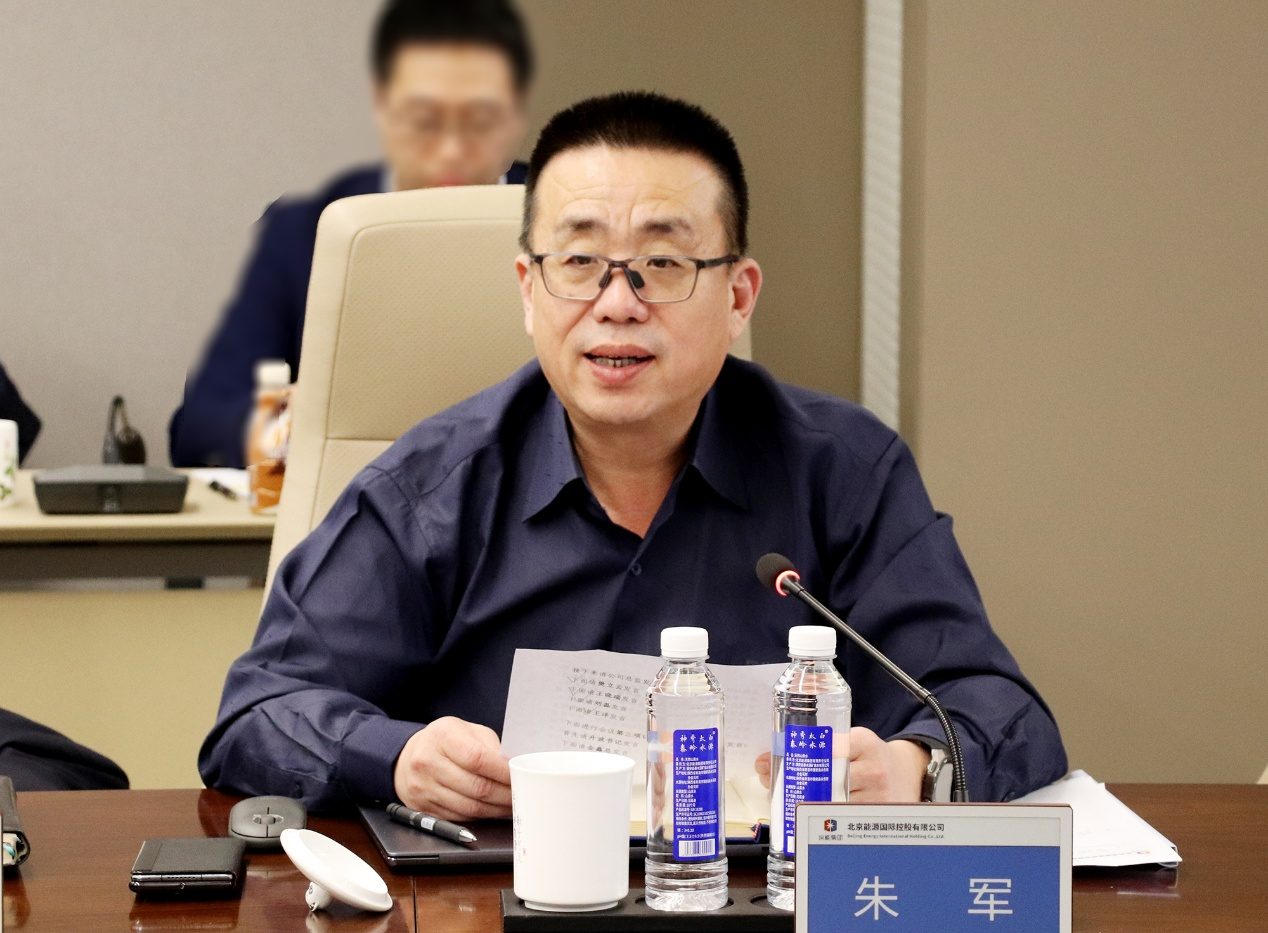
Zhu Jun reviewed the company’s operational development since the start of the “14th Five-Year Plan”, provided an in-depth analysis of the trends and historical opportunities for the “15th Five-Year Plan”, clarified operational tasks, and reaffirmed the determination and confidence for future high-quality development. He stated:
First, we must tap the potential of existing assets. This involves closely tracking national and local energy policies, market-based pricing rules, green power trading, and carbon markets. We should conduct in-depth policy analysis to strengthen power marketing management, implement refined operations, and explore cost-reduction opportunities to enhance the quality of existing assets.
Second, we must focus on value creation. We should coordinate the construction of the two major energy bases, benchmarking against industry leaders to further reduce engineering costs and sharpen our core competitiveness.
Third, we must strengthen our organizational competence. We will advance the comprehensive enhancement of management by refining the company’s differentiated authorization system. Our goal is to build a management system characterized by scientific governance, efficient decision-making, and clear mandates with well-defined responsibilities, thereby improving operational efficiency and promoting high-quality and healthy development.
Fourth, we must strengthen the rigid budget constraints. Aligning with the company’s strategy, we will optimize performance appraisals by evaluating indicators such as power generation, operating costs, and administrative expenses on a quarterly basis. This will highlight our orientation towards quality-efficiency enhancement and high-quality development.
Fifth, we must reinforce compliance awareness. We will unceasingly improve the compliance system to support the company’s steady and sustainable progress.
He stressed that participants should fully internalize the meeting’s objectives, engage in serious reflection, and ensure precise deployment and execution of work to facilitate the company’s long-term stability and success.